Nesteye · AI monitoring for agriculture
Nesteye: The intelligence layerfor agriculture.
Nesteye turns continuous farm video and edge AI into earlier signals for disease, welfare, and operations across animals and crops.
Talk to the foundersThe opportunity
$862.7B
Estimated total addressable market for agriculture intelligence.
Agriculture does not need another dashboard. It needs better data.
The physical world already produces the signal: movement, growth, density, environment, health, and quality. Nesteye makes that signal continuous, structured, and usable.
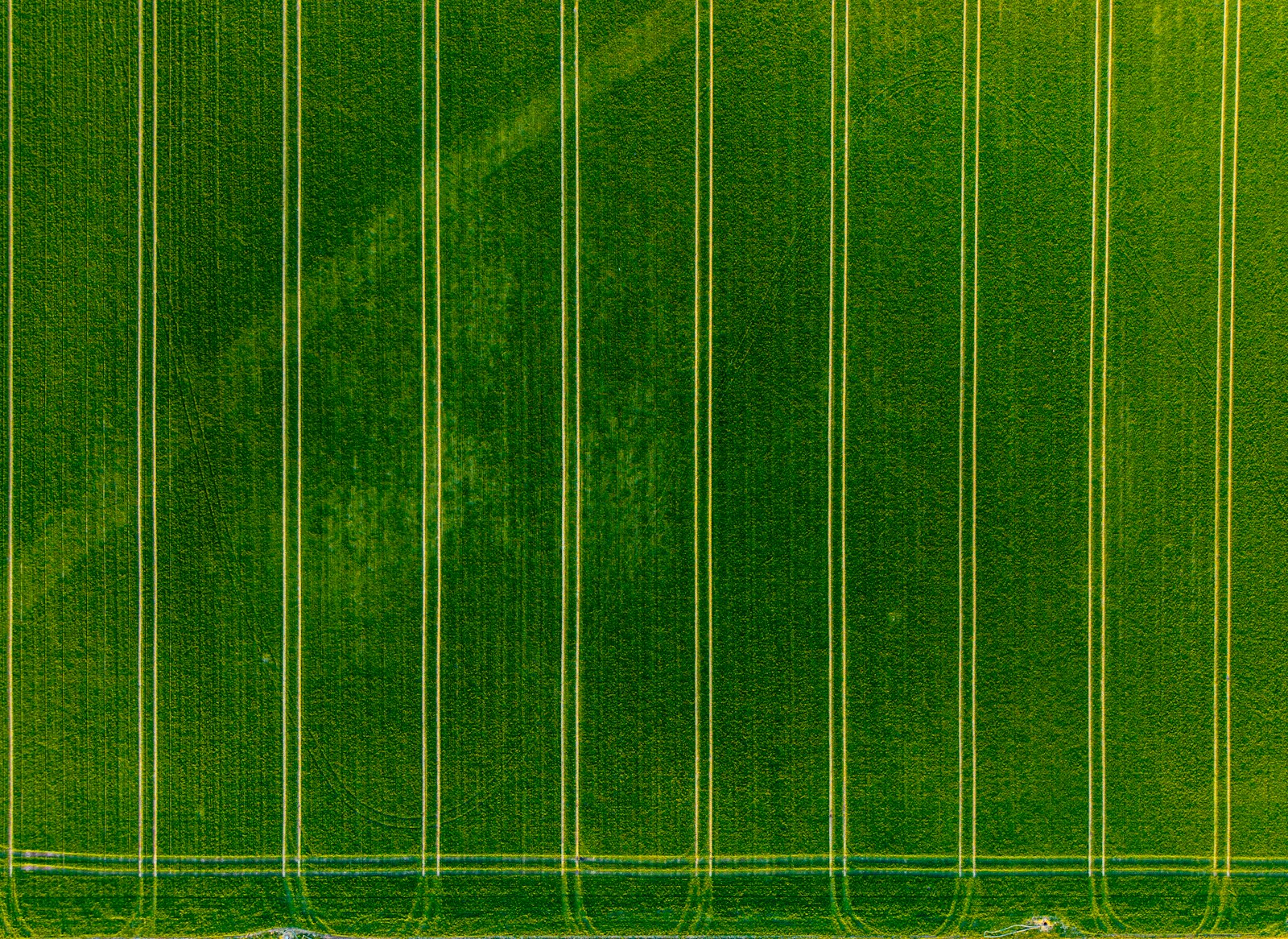
Nesteye market model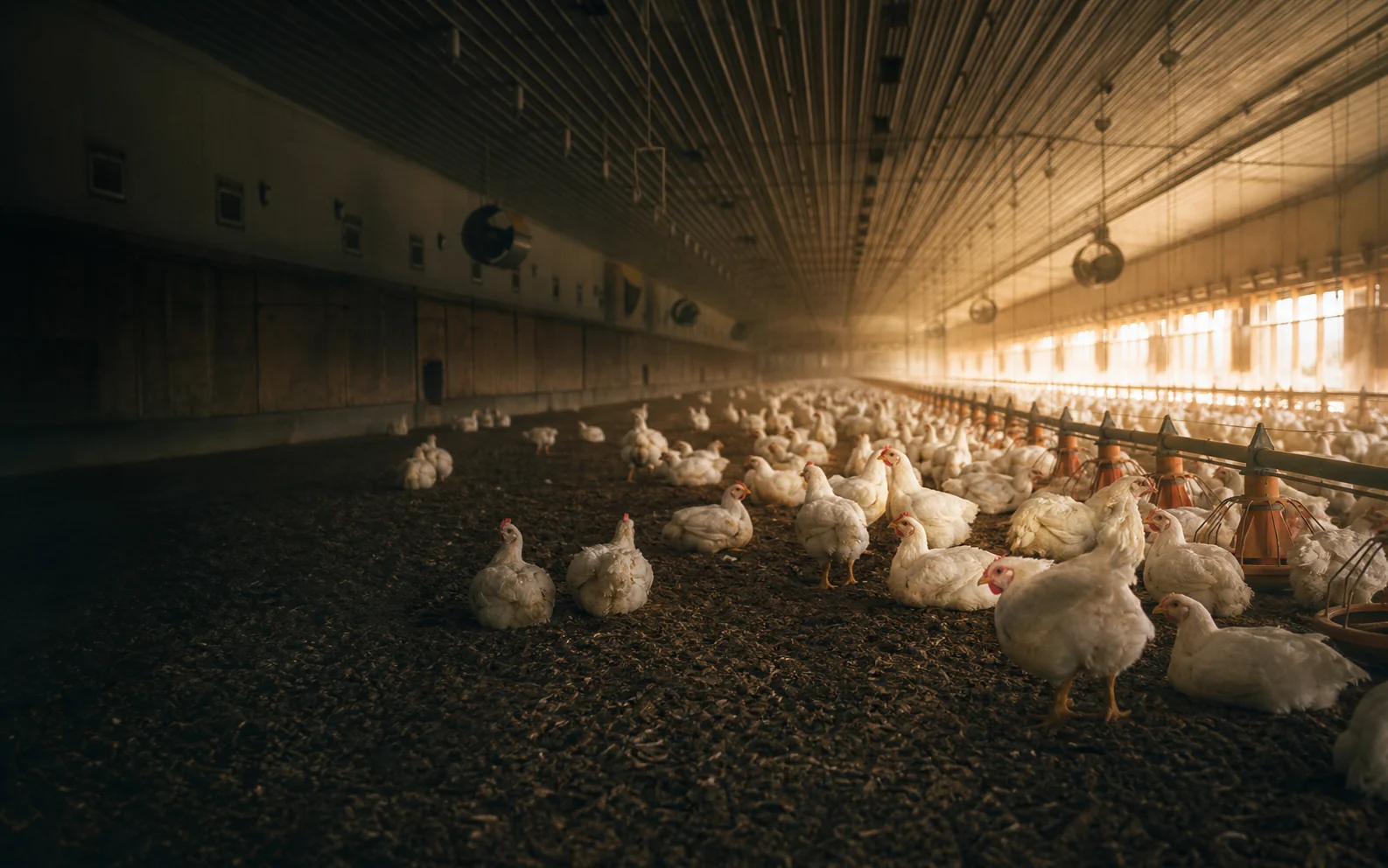
The wedge
Proven first in poultry.
One camera-and-edge system turns a barn into a measurable operating environment.
Platform capabilities
The same camera and edge setup supports disease monitoring, including feces-pattern signals connected to Salmonella risk.
Piling
Repeated-frame detection and barn-level intervention
Weight
On-demand growth and uniformity visibility
Environment
Temperature, humidity, and air-quality context
Disease monitoring
Implemented and tested disease, mortality, and gait signals
Salmonella risk
Feces-pattern monitoring for earlier operator review
Dashboard
One operating view across barns and teams
The compounding advantage
Install once. Add intelligence through models.
The same overhead cameras and edge frame already used for piling and weight can run additional ML models. New capability does not require rebuilding the barn.
/01
Observe
Cameras and sensors maintain the timeline.
/02
Interpret
Edge models turn motion and context into signals.
/03
Act
Operators receive alerts, trends, and interventions.
/04
Learn
Field outcomes make the next model more useful.
Food safety
98
Illnesses reported by FDA in the July 2026 multistate egg outbreak update; 26 people were hospitalized.
A recall reaches far beyond the farm.
Growers carry the operating risk. Integrators carry network risk. Retail brands face the consumer. When recalls happen, public criticism lands on producers and retailers while trust in the food behind the label erodes. Better production data gives every layer a chance to respond sooner.
outbreak investigation
A current egg outbreak crossed 17 states
The FDA reported 98 illnesses and 26 hospitalizations in its July 24, 2026 update on a multistate Salmonella Enteritidis outbreak linked in part to recalled shell eggs.
U.S. Food and Drug Administration · July 24, 2026recall
Retail brands share the blast radius
A 2024 recall covered 10,800 units of Kirkland Signature organic eggs distributed to 25 Costco stores across five states.
FDA-posted company recall · November 27, 2024recall
The problem extends beyond animal agriculture
H-E-B-branded prepared foods were removed in August 2026 after a supplier recall involving jalapeños with potential Salmonella contamination.
H-E-B Newsroom · August 14, 2026Flagged in feces
Salmonella
Fecal changes flagged on the same cameras.
Nesteye's feces-based Salmonella model flags visual changes for operator review on the existing camera and edge system. Supporting 2024 research found broiler activity can carry an early infection signal.
The model works as an operator-review signal. It is not a laboratory replacement and does not establish a diagnostic claim.
Read the research abstractThe vision
One agriculture data layer. Many model families.
Poultry is the current product. Livestock, aquaculture, and crops show where continuous visual and environmental intelligence can go next.
Poultry
Piling, weight, environment, health indicators, mortality, and gait
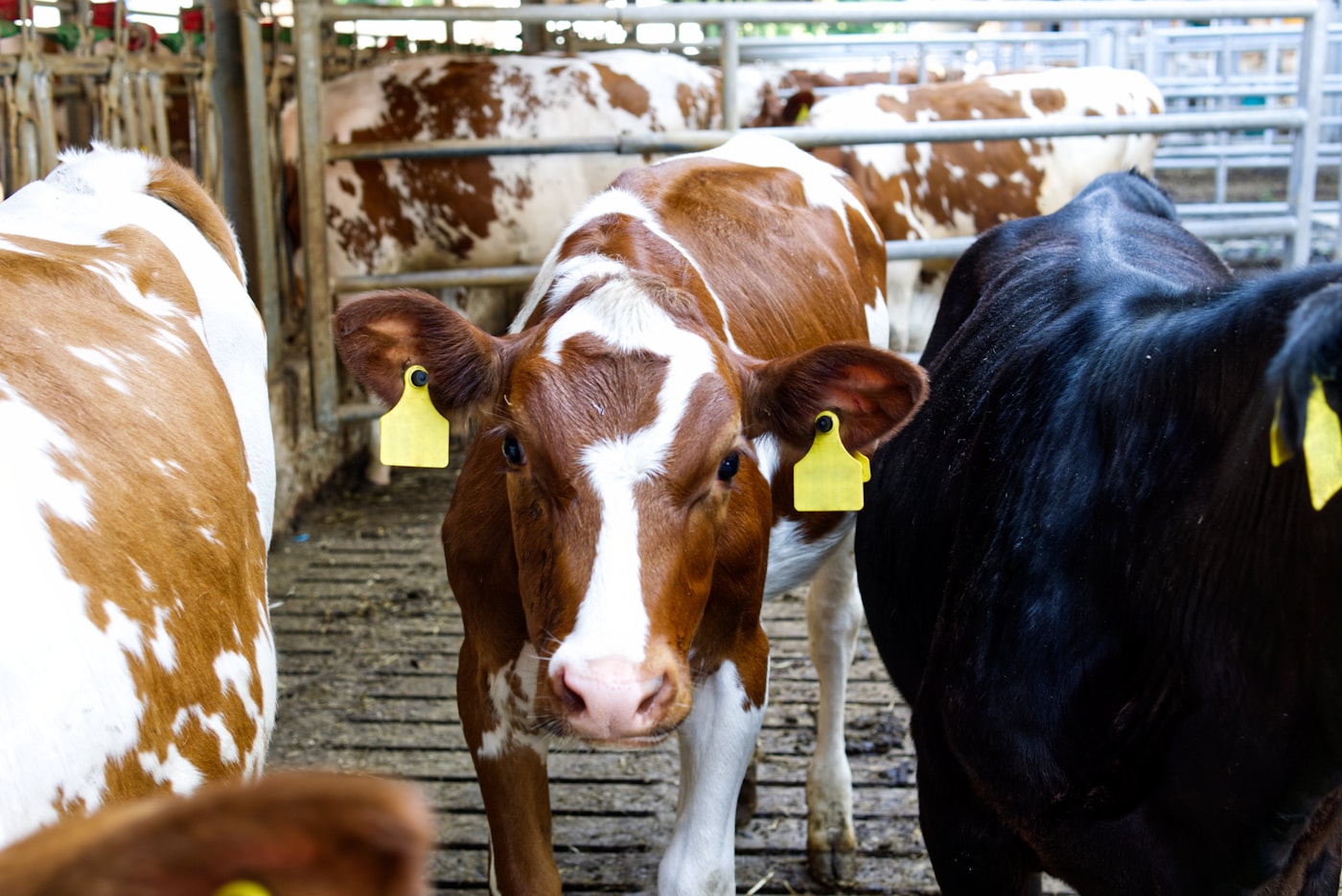
Livestock
Behavior, mobility, occupancy, feeding, and welfare patterns
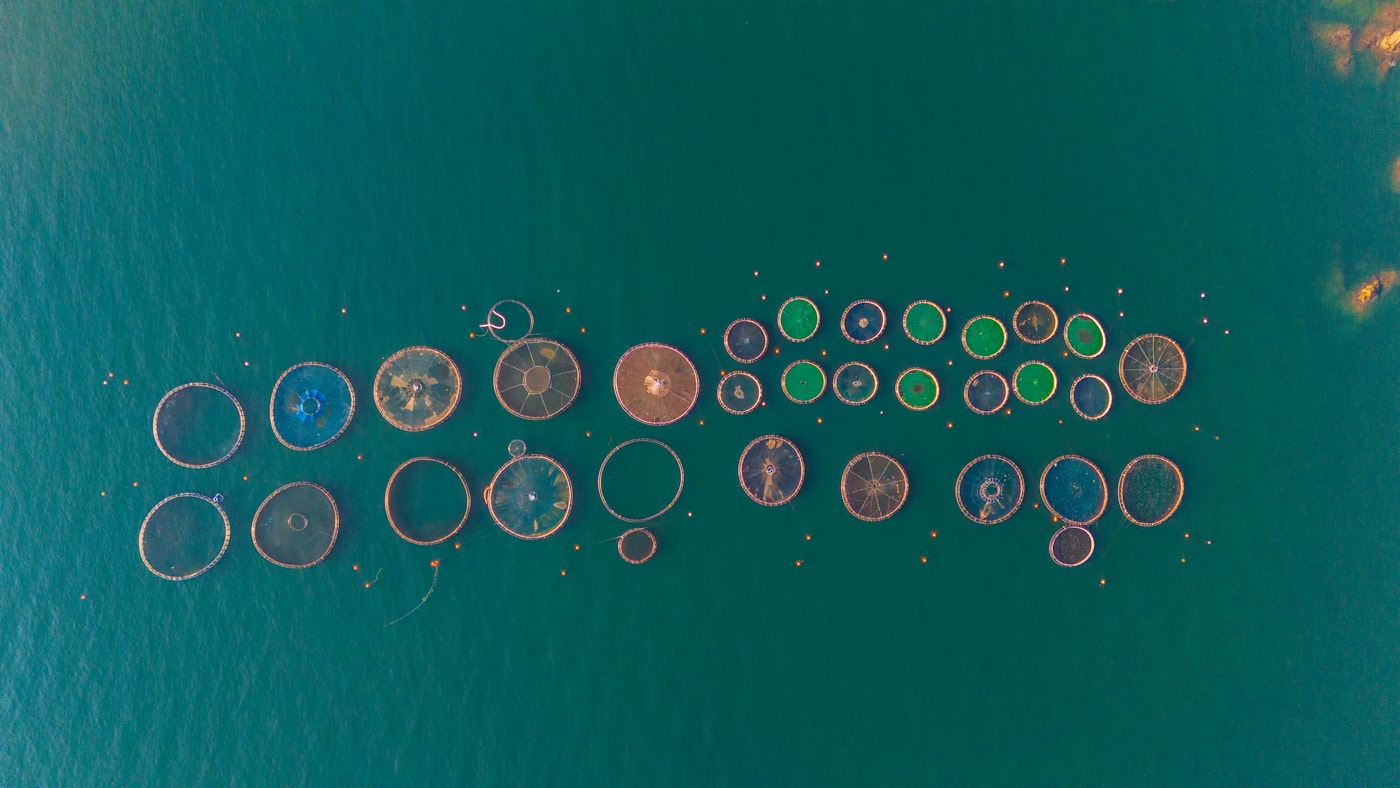
Aquaculture
Movement, feeding response, density, and environmental context
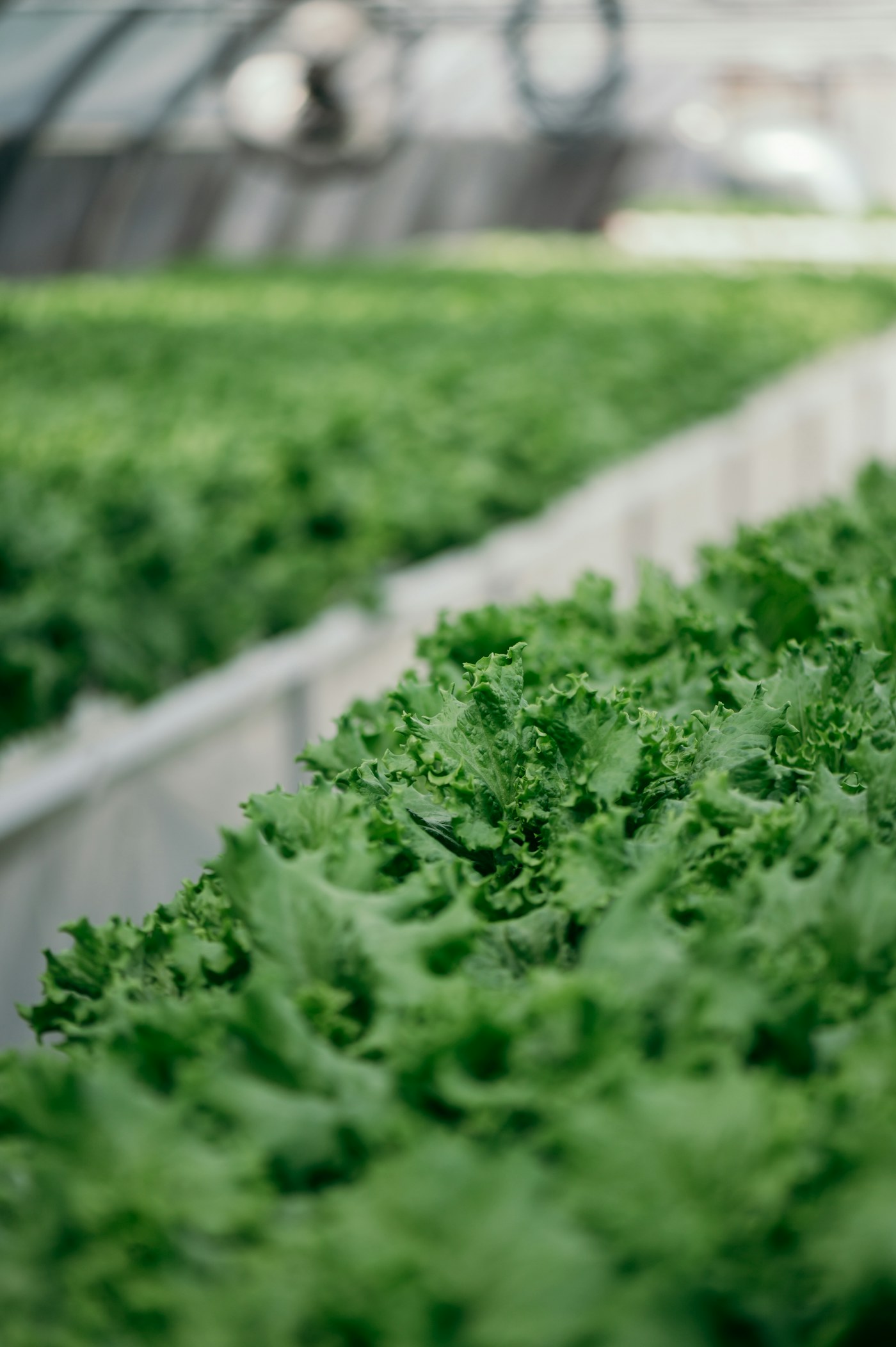
Crops + produce
Growth, stress, quality, and operational traceability context
How the wedge scales
From a measurable barn to a distribution network.
Prove the wedge
Deploy the completed poultry system with growers and validate measurable performance under real barn conditions.
Reach 15-20 barns
Build a multi-site operating dataset, standardize installation, and prove that models hold across layouts, flocks, and teams.
Land an integrator
One vertically integrated poultry company can coordinate chicks, feed, veterinary support, processing, and many contract growers, turning one relationship into multi-farm distribution.
Expand the model library
Carry the software-defined monitoring pattern into more animals and crops while each deployment strengthens the agriculture data layer.
Austin, Texas
Built for the barn. Designed to scale.
The founding team brings AI, robotics, hardware, software, finance, sustainability, and poultry experience to one practical mission: safer food and easier lives for the people who produce it.
Previous experience includes
Founder Experience
Built by a team with experience across AI, robotics, hardware, software, finance, sustainability, and poultry.










- Amazon
- The University of Texas at Austin
- MobilizeGreen
- UT Dallas
- Serent Capital
- Dell Technologies
- NVIDIA
- Visa
- Rice University
- Banner Health
- Texas Aerial Robotics
The team has also received guidance from agricultural engineering professors at Texas A&M University and Michigan State University.
Build the agriculture data layer