The nesteye vision
Monitor the farm. Understand the food system.
A software-defined intelligence layer for agriculture, built from continuous visual, environmental, and operational data.
The thesis
Every camera can become a sensor.
Agriculture is a physical system with recurring visual patterns. Nesteye captures those patterns over time, interprets them locally, and gives people a structured record of what changed, where, and when.
Software-defined expansion
The hardware stays. The model library grows.
In poultry, the same overhead cameras and edge frame support fecal risk flags, disease monitoring, piling, weight, and environmental context. New capabilities are model deployments, not a new barn installation.
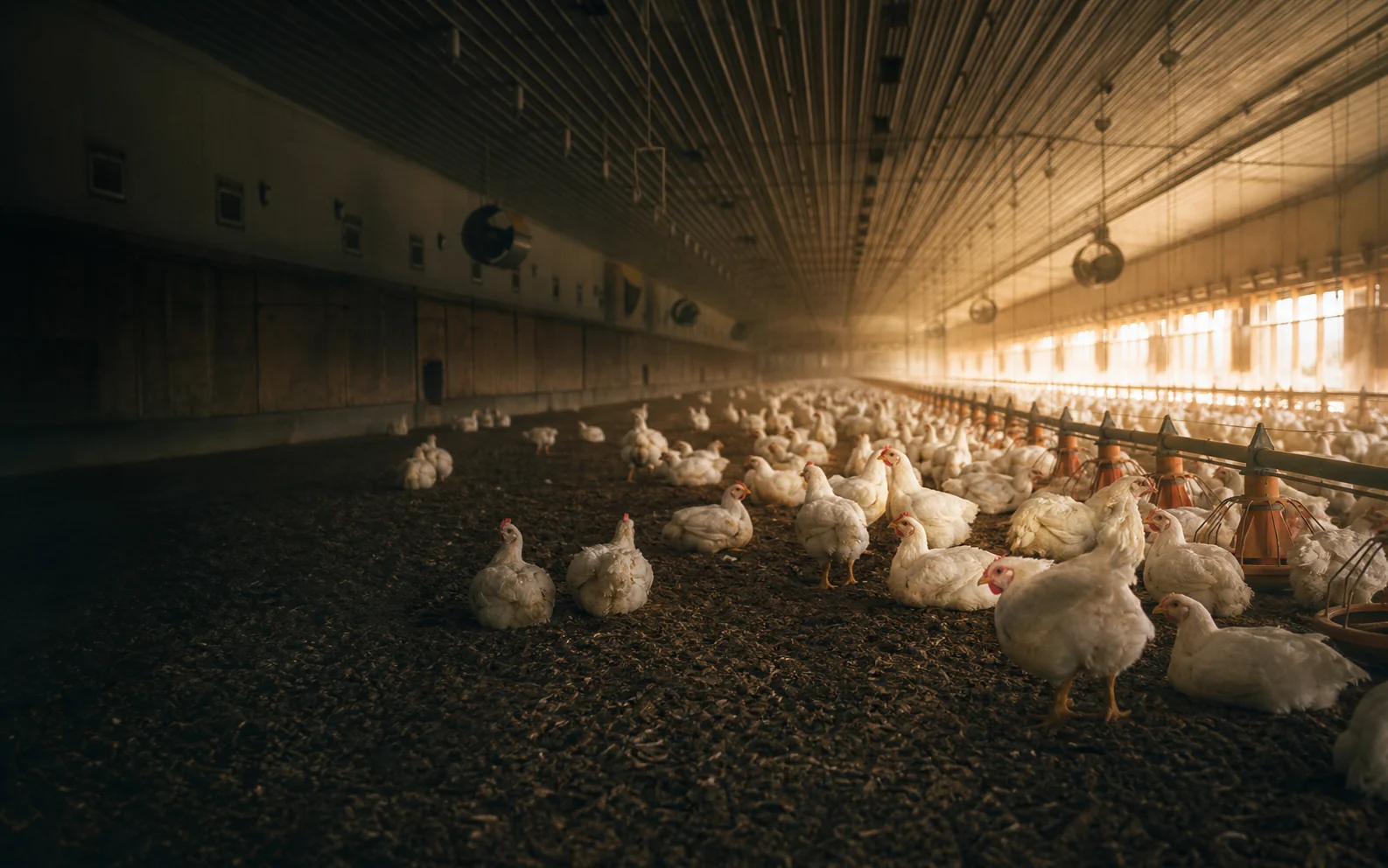
Poultry
Piling, weight, environment, health indicators, mortality, and gait
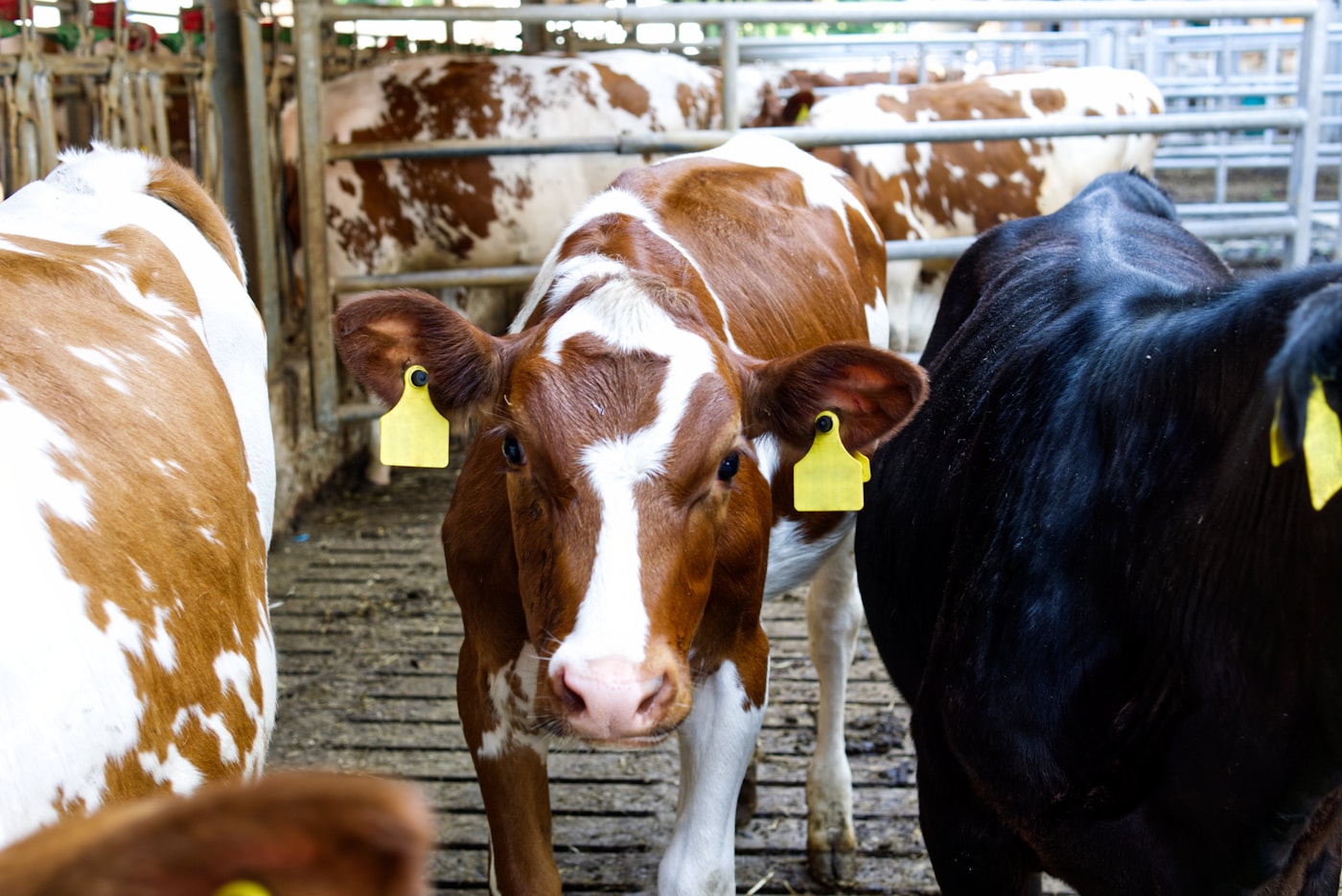
Livestock
Behavior, mobility, occupancy, feeding, and welfare patterns
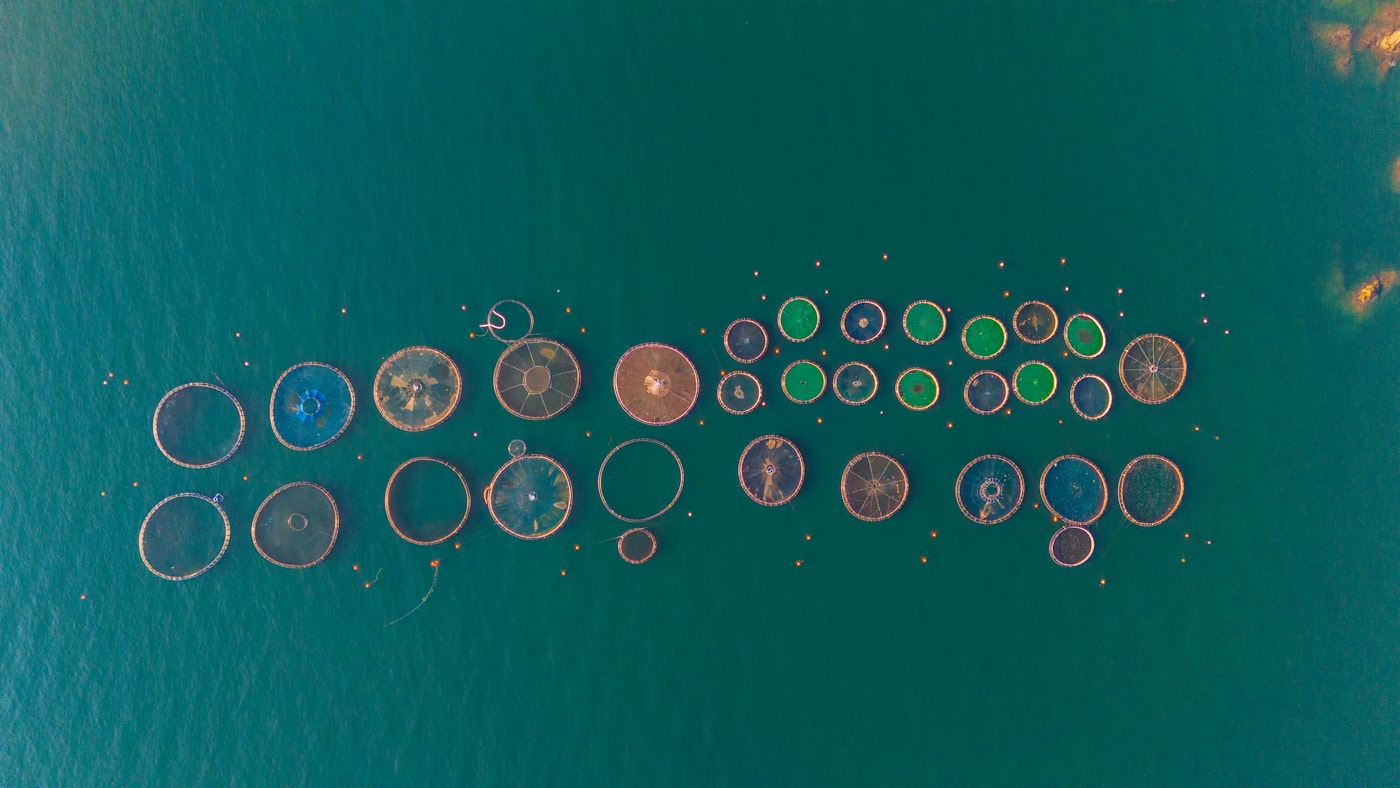
Aquaculture
Movement, feeding response, density, and environmental context
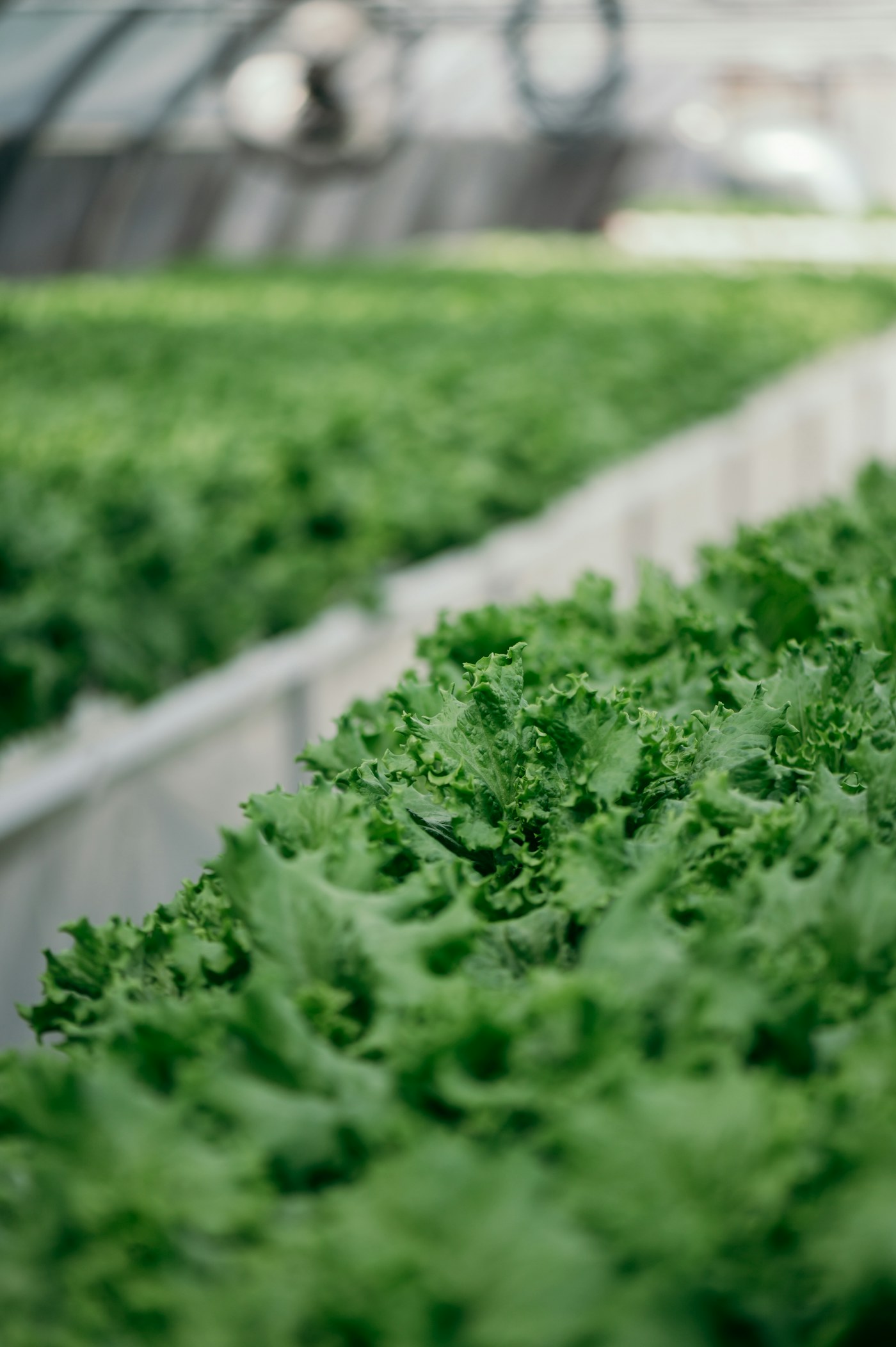
Crops + produce
Growth, stress, quality, and operational traceability context
Food safety + regulation
The industry is being asked to remember more.
Prevention, testing, traceability, and recall response all depend on records that connect events across time. Nesteye begins upstream, where the food is raised and the signal first appears.
regulation
Prevention already requires structured operating records
FDA's Shell Egg Rule covers prevention plans, biosecurity, pest control, cleaning, refrigeration, environmental and egg testing, recordkeeping, and registration.
U.S. Food and Drug Administration · Current guidance reviewed August 2026regulation
Traceability is becoming a data-coordination problem
FDA's Food Traceability List includes shell eggs, leafy greens, finfish, and other foods. Covered records are organized around critical tracking events and key data elements; FDA says it will not enforce the rule before July 20, 2028.
U.S. Food and Drug Administration · Reviewed August 2026Agency boundary
FDA oversees shell eggs and produce rules discussed here. USDA-FSIS oversees raw poultry products. The proposed 2024 USDA-FSIS Salmonella framework for raw poultry was withdrawn in April 2025 and is not presented as an active new mandate.
USDA-FSIS notice of withdrawalCommercial path
Scale the proof before scaling the promise.
Prove the wedge
Deploy the completed poultry system with growers and validate measurable performance under real barn conditions.
Reach 15-20 barns
Build a multi-site operating dataset, standardize installation, and prove that models hold across layouts, flocks, and teams.
Land an integrator
One vertically integrated poultry company can coordinate chicks, feed, veterinary support, processing, and many contract growers, turning one relationship into multi-farm distribution.
Expand the model library
Carry the software-defined monitoring pattern into more animals and crops while each deployment strengthens the agriculture data layer.
Fecal Salmonella monitoring
Flag it.
Fecal signals, flagged on the same installation.
Nesteye's feces-based Salmonella model flags visual changes for operator review on the existing camera and edge system. Supporting 2024 research found broiler activity can carry an early infection signal.
The model works as an operator-review signal. It is not a laboratory replacement and does not establish a diagnostic claim.
The long goal